Smartphones in 2026: Foldables, Bigger Batteries, and Rising Prices Define the Next Wave
Muhammad Omer••7 min read
Foldables are taking center stage in 2026, with Samsung and Apple both expected to launch wide screen models. Add in new phones from OnePlus, Sharp, and Honor, a fresh wave of Android 17 features, and a memory shortage pushing prices up, and it's shaping up to be one of the most eventful years yet for smartphones.
The smartphone industry is moving fast this year, and 2026 is shaping up to be one of the most active years in recent memory. Almost every major manufacturer is working on something significant right now, whether that is a redesigned foldable, a flagship with a completely new camera system, or a budget phone built to compete on value alone. At the same time, the software side of the industry is going through its own transformation, with Android 17 rolling out new features and Apple reportedly preparing some big changes of its own. On top of all that, the cost of owning a smartphone is shifting too, driven by forces outside of any single company's control.
This article breaks down everything happening across the smartphone world right now, organized into clear categories so you can quickly find what matters to you: foldable phones, new launches, software updates, pricing trends, and what it all means for anyone planning to buy a phone soon.
Foldables Are Taking Over the Conversation
Foldable phones are easily the biggest story in the industry this year. For a long time, foldables were treated as a niche category, something interesting to look at but not necessarily practical for most people. That perception is changing quickly, with nearly every major manufacturer now working on something in this space.
Apple's Rumored Folding iPhone
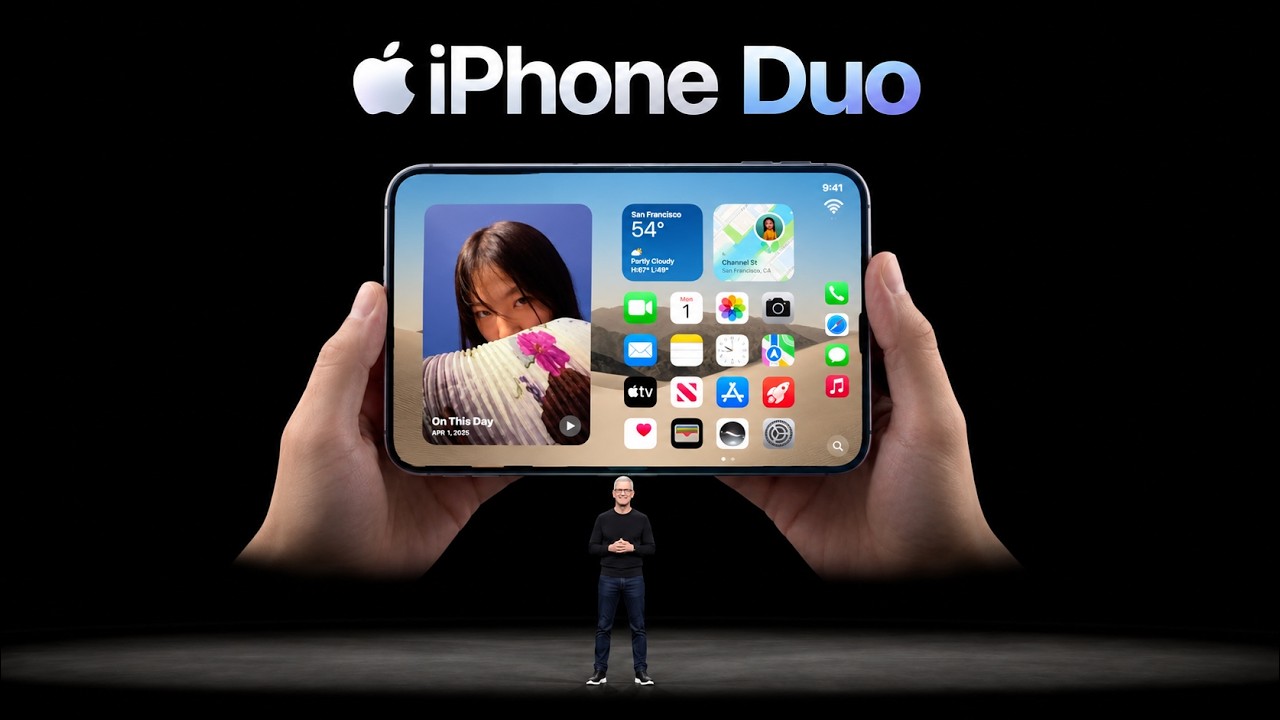
Apple has not confirmed anything officially, and the company rarely comments on unreleased products. Still, industry signs point toward a folding iPhone launching sometime around September. If that timeline holds, it would mark one of the most significant hardware shifts in the iPhone's history, comparable to the original introduction of larger screen sizes years ago. A folding iPhone would also likely push other manufacturers to accelerate their own foldable plans, since Apple entering a category tends to create instant legitimacy in the eyes of mainstream consumers.
Samsung's Galaxy Z Fold 8 Ultra
Samsung is already several generations deep into foldable design and is making strong progress with its next release. The upcoming Galaxy Z Fold 8 Ultra has reportedly cleared a major regulatory hurdle, which is seen as an important step before its official release. Regulatory approval is often one of the last major checkpoints before a phone becomes available to the public, so this suggests Samsung is getting close to a formal announcement.
Discounts on the Current Galaxy Z Lineup
In the meantime, Samsung's current lineup, the Galaxy Z Fold 7 and Galaxy Z Flip7, are still very much on the market and are now being sold at discounted prices. This is a common pattern in the smartphone industry. As a new generation approaches, retailers and the manufacturer itself often lower prices on the outgoing models to clear inventory. For buyers who do not necessarily need the latest version, this can be a good window to get a capable foldable phone at a noticeably reduced price.
Oppo's Find N7
Samsung and Apple are not the only companies chasing this trend. Oppo is also rumored to be working on a next generation foldable phone, the Find N7, which suggests the foldable category is about to get even more competitive in the months ahead. Oppo has built a strong reputation in markets like China and parts of Asia for producing foldables with thinner profiles and refined hinge designs, so a new Find N7 could push the entire category forward in terms of build quality and design expectations.
Taken together, these developments suggest 2026 could be the year foldables stop being a side category and start becoming a mainstream option that regular buyers seriously consider, rather than something reserved for early adopters and tech enthusiasts.
New Phone Launches Worth Knowing About
Beyond foldables, there is a steady stream of new phones launching or already on shelves, spanning everything from flagship devices to budget friendly options.
OnePlus N6: A New Series With a Massive Battery
OnePlus is preparing to unveil the OnePlus N6 on June 30. This marks the first device in its new N Series lineup, which appears to be aimed at buyers who want strong performance without paying flagship level prices. The company has already shown off the phone in two colors ahead of launch, a common marketing strategy used to build anticipation before a release. More notably, OnePlus has confirmed that the N6 will include a large 8,000 mAh battery. Battery capacity has become one of the most competitive specs in the industry, since most users care more about getting through a full day without charging than they do about chasing the thinnest possible phone. An 8,000 mAh battery would put the N6 well ahead of most phones currently on the market in terms of raw battery size.
Sharp Aquos R11: A Camera Focused Flagship
Sharp has introduced its latest flagship, the Aquos R11, with a clear focus on photography. The standout feature is a new 38.5MP telephoto camera that offers 2.8x optical zoom. This puts Sharp in direct competition with other camera focused flagships and signals that the company is trying to carve out a niche among photography enthusiasts, rather than competing purely on overall specs or price.
Samsung Galaxy A27: A Quiet Budget Release
On the budget side, Samsung quietly released the Galaxy A27, a new addition to its budget friendly Galaxy A series. Samsung did not make a big marketing push around this release, which is fairly typical for its A series lineup, since these phones tend to sell through word of mouth, carrier partnerships, and consistent brand trust rather than major launch events. The A series has historically been one of Samsung's best selling lineups globally, particularly in markets where flagship pricing is out of reach for most buyers.
Galaxy S27 Ultra: Early Upgrade Rumors
At the higher end, early rumors suggest the Galaxy S27 Ultra will bring three notable upgrades, although full details have not been confirmed yet. Samsung has a pattern of testing certain features on its S series flagships before bringing simplified versions of those same features down to its A series and foldable lineups a year or two later, so any meaningful upgrade to the S27 Ultra is worth watching closely, since it often hints at where the rest of Samsung's lineup is headed.
Honor's Battery and Display Ambitions
Honor is also pushing boundaries with a rumored upcoming phone that may include a massive 10,000mAh battery paired with an extremely bright 10,000 nit display. This combination would be one of the most ambitious specs seen in a phone so far. A 10,000 nit display would make outdoor visibility and HDR content noticeably better, while a battery of that size could potentially allow multiple days of use on a single charge, depending on how efficiently the rest of the phone is built. If Honor manages to deliver on both fronts in a phone that remains practical to actually carry and use, it could set a new benchmark that other manufacturers feel pressured to match.
Software Updates Are Reshaping the Phone Experience
Hardware is not the only thing evolving this year. Software updates are arguably just as important to the overall phone experience, since they determine how a device actually feels to use day to day, regardless of what is printed on the spec sheet.
Android 17: Multitasking, Customization, and Security
Android 17 has officially started rolling out and brings a long list of upgrades. These include a new multitasking mode, deeper customization options, and several security improvements designed to keep devices safer from increasingly common scams and exploits. Multitasking in particular has become a bigger focus across the Android ecosystem as screens get larger and foldables become more common, since a bigger display is only useful if the software actually takes advantage of that extra space in a meaningful way.
Pixel Exclusive Features
For Pixel users specifically, Android 17 introduces features like Bubbles, Screen Reactions, a new foldable gaming mode, and additional security upgrades built specifically for Google's own hardware lineup. Google has increasingly used its Pixel devices as a testing ground for features that later make their way to the broader Android ecosystem, so these additions are worth paying attention to even for users who do not own a Pixel themselves.
Easier Switching Between iPhone and Android
One of the most useful additions in this update is an upgraded Android Switch tool, which now allows users to fully transfer their data from an iPhone to a new Android device. This includes things like photos, contacts, and app data, making it significantly easier to switch ecosystems without the usual friction and fear of losing important information. Switching costs have long been one of the biggest reasons people stay loyal to a particular ecosystem, even when a competitor's hardware might better suit their needs, so a smoother transfer process could meaningfully lower the barrier for switching.
Apple's Rumored Anti Theft Protection
Apple is reportedly working on something similar in spirit, though aimed at a different problem. Rumors suggest the company may introduce its own version of Google's anti theft protection feature with the upcoming iPhone 18 and iOS 27. This kind of feature is designed to make it significantly harder for someone to use or resell a stolen device, which would help protect both user data and the resale value of the phone itself. Anti theft protection has become a bigger priority across the industry in recent years as phone theft, particularly snatch and grab style theft in public places, has remained a persistent problem in many cities.
Why Phone Prices Are Going Up
If you have noticed phones getting more expensive recently, you are not imagining it. Prices are rising steadily across the industry, and there is a clear reason behind it.
The Global Memory Chip Shortage
The main reason behind rising prices is a global shortage of memory components. Memory chips, specifically RAM and storage modules, are a core part of every smartphone, regardless of brand or price tier. When the supply of these components tightens, manufacturers face higher costs to build the same devices they were producing before, and those costs tend to get passed on to consumers in the form of higher retail prices.
Why the Shortage Is Happening
This kind of shortage typically stems from a combination of factors, including strong demand from other industries that also rely heavily on memory chips, such as data centers, artificial intelligence hardware, and other consumer electronics. When multiple industries are competing for the same limited supply of components at the same time, prices across all of those industries tend to rise together, and smartphones are far from immune to that pressure.
What This Means for Budget Buyers
This trend is worth watching closely, especially for budget conscious buyers, since it may affect how affordable entry level and mid range phones remain throughout the rest of the year. Budget and mid range phones typically operate on much thinner profit margins than flagship devices, which means manufacturers in that segment have less room to absorb rising component costs without passing at least some of that increase on to buyers. If the memory shortage continues for an extended period, it would not be surprising to see budget phones either increase in price or come with slightly reduced specs to keep costs under control.
What This Means Going Forward
Between the rise of foldable phones, new flagship and budget releases, major software upgrades through Android 17, and the impact of global memory shortages on pricing, the smartphone market is clearly entering a new and more competitive phase. Manufacturers are no longer competing on a single front. Battery life, camera performance, display technology, software experience, and price are all being pushed forward at the same time, often by different companies trying to differentiate themselves in slightly different ways.
For everyday buyers, this competition is generally good news. It means more options across every price range, faster software improvements, and manufacturers working harder to stand out through genuine innovation rather than minor yearly refreshes. Whether you are interested in cutting edge foldable design, longer battery life, better cameras, smoother software, or simply finding the best value for your money, there is a lot to watch in the smartphone space over the coming months, and the decisions manufacturers make right now will likely shape what phones look like for the next several years.
.webp)