.webp)
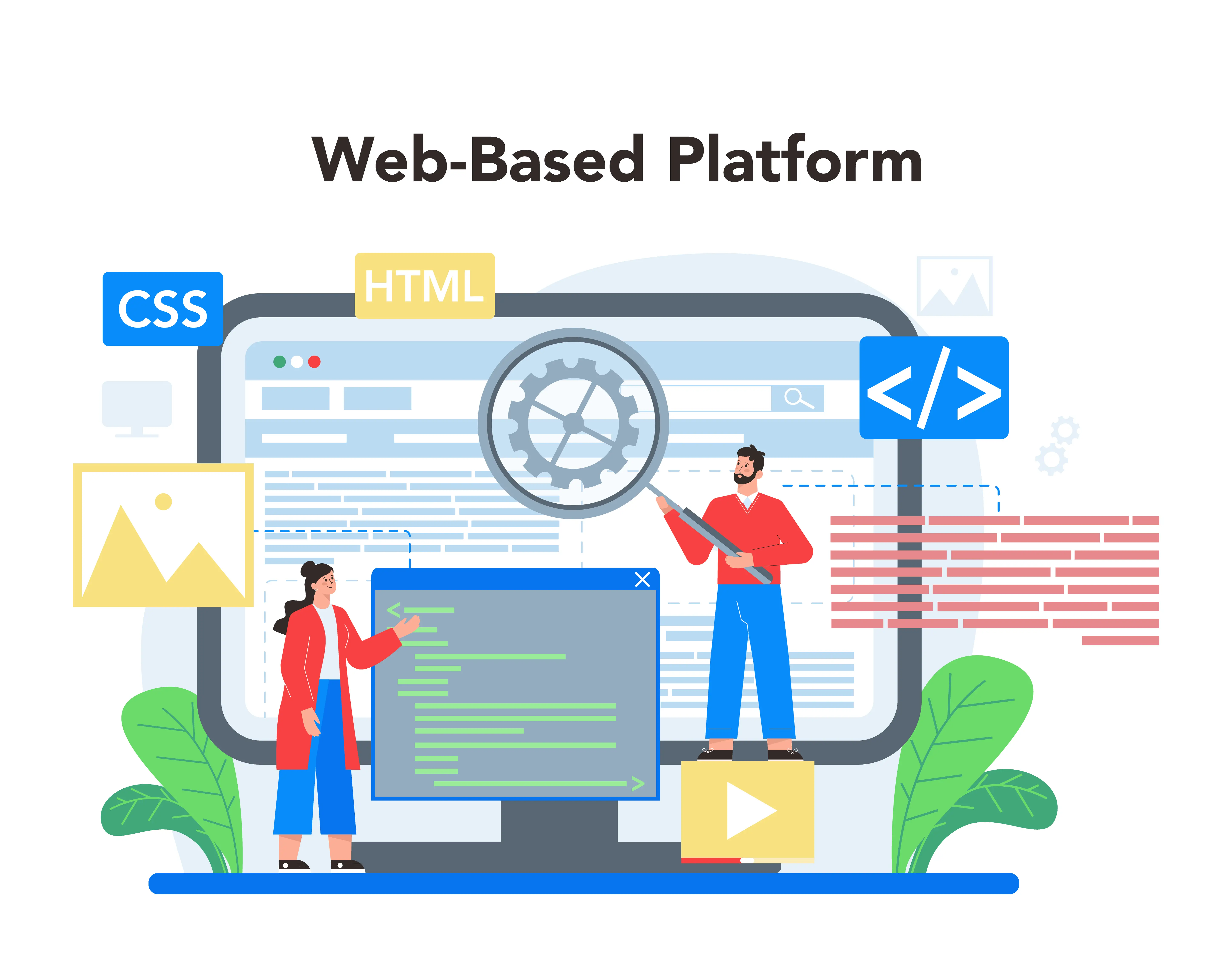
Web development in 2026 is more advanced, faster, and more fragmented than ever before. With the rise of modern JavaScript frameworks, backend ecosystems, and AI-driven development tools, developers no longer rely on a single “best” technology stack. Instead, the focus has shifted toward choosing the right combination of technologies for scalability, performance, SEO, and long-term maintainability. This shift has changed how companies build software and how developers make architectural decisions.
The Evolution of Modern Web Development
Over the past few years, web development has moved from monolithic stacks to modular, specialized ecosystems. Today, successful applications are built using a combination of frontend frameworks, backend frameworks, APIs, third-party services, and AI tools. This layered approach allows businesses to build faster, scale efficiently, and adapt to changing requirements.
Frontend development is now dominated by highly optimized JavaScript frameworks designed for performance and developer experience.
React remains the most widely used frontend library in the world. Its component-based architecture, massive ecosystem, and strong community support make it the default choice for modern web applications. React is especially powerful for building SaaS platforms, admin dashboards, and large-scale enterprise applications.
Next.js has become the leading framework for full-stack React applications. It introduces server-side rendering, static site generation, and API routes in one framework, making it ideal for SEO-optimized websites, e-commerce platforms, and high-performance SaaS products.
Vue.js continues to be popular due to its simplicity, flexibility, and fast learning curve. It is widely used in startups and mid-sized projects where development speed is important.
Svelte is gaining traction as a performance-first framework that compiles code at build time, reducing runtime overhead and improving speed. It is ideal for lightweight and high-performance applications.
While frontend frameworks define user experience, backend systems define functionality, logic, and scalability.
Laravel remains one of the most trusted backend frameworks for building secure and scalable web applications. It is widely used for APIs, authentication systems, database management, business logic, and background processing. Its clean syntax and strong ecosystem make it a preferred choice for startups and enterprises.
The biggest change in modern web development is not about which framework is most popular. It is about how developers design systems. Instead of asking which framework is best, developers now ask which combination of technologies best solves the problem.
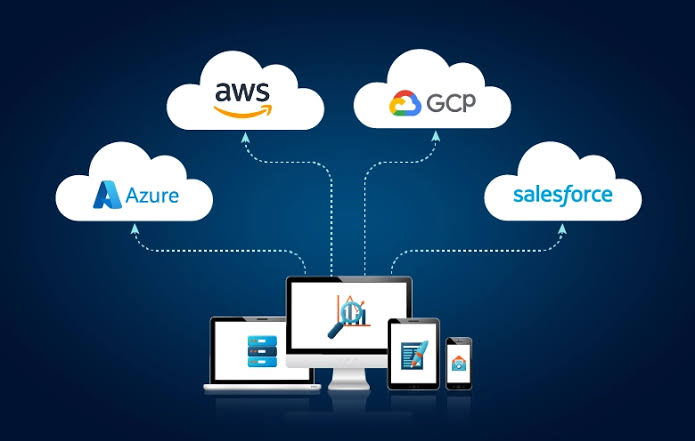
Modern applications are built using multiple layers including backend architecture, frontend interfaces, APIs, cloud infrastructure, and AI-powered features. This shift has made system design more important than individual tools.
In 2026, web development is not only about building functionality. It is also about SEO, performance optimization, mobile responsiveness, Core Web Vitals, and scalability. Frameworks like Next.js and Laravel play a major role in achieving these goals efficiently.
How TechStop Builds Modern Web Applications
At TechStop, we focus on building scalable and high-performance digital solutions using modern architecture principles. Our approach includes strong backend systems for reliability, modern frontend frameworks for user experience, SEO-optimized structures for visibility, and AI-ready systems for future scalability. Instead of following trends, we choose technologies that deliver long-term business value.
The future of web development will be shaped by performance-first development, AI integration, and multi-stack ecosystems. Speed, efficiency, and scalability will become standard. AI will become a core part of applications. No single framework will dominate; instead, developers will combine multiple tools based on use cases.
Web development in 2026 is no longer about choosing the most popular framework. It is about building smart, scalable, and adaptable systems. The real success comes from architecture, not hype.
Frequently Asked Question
What is the best web development stack in 2026? There is no single best stack. However, a common modern combination includes React or Vue for frontend, Next.js for full-stack applications, Laravel for backend systems, and APIs or AI tools for integration.
Final Thoughts
Frameworks will continue to change. New tools will rise. Others will fade.
But one principle will remain constant:
Great software is built through smart architecture, not popular technology.